Orange County Supervisors Outlaw Synthetic Kratom
Orange County Supervisors Outlaw Synthetic Kratom
After a sudden increase in abuse, overdoses, and addiction, the Orange County Board of Supervisors voted to ban the sale and distribution of synthetic kratom products.
The ordinance targets kratom powders, capsules, pills, gummies, liquid shots, and vapes that contain more than 2 percent of 7-OH.
7-OH, also known as 7-hydroxymitragynine, is a compound found in kratom that binds to opioid receptors in the brain.
The potential for kratom abuse to develop into a full blown public health crisis alarmed state and county officials, including Orange County Board of Supervisors member Janet Nguyen, who spearheaded the ordinance to ban synthetic kratom in Orange County.
Concentrated & Synthetic 7-OH Products Are More Potent
“Natural kratom has been used traditionally in Southeast Asia for centuries, but these concentrated products are much more potent and dangerous,” Nguyen said following the Board’s vote. “What surprised many of us was how quickly the abuse of synthetic 7-OH products has grown in the community.”
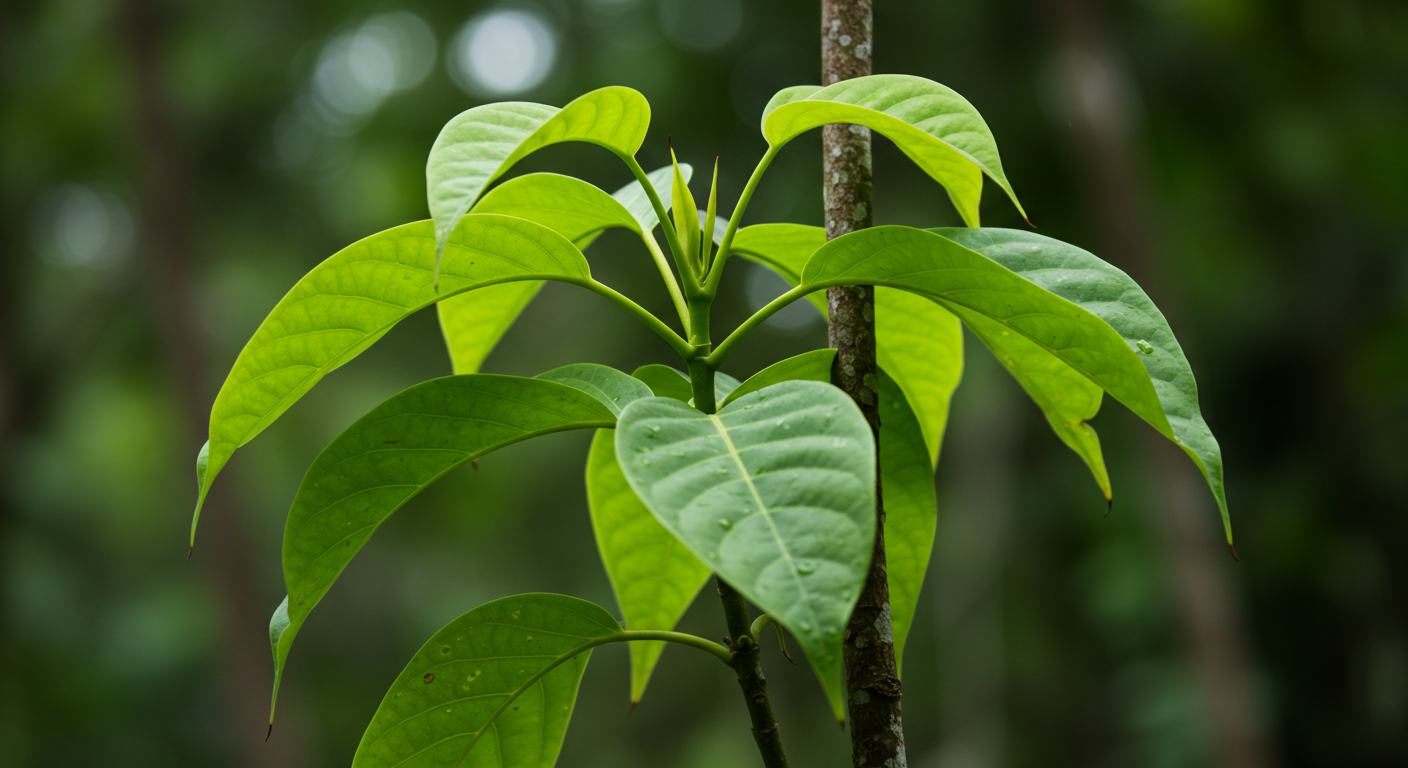
Synthetic kratom is primarily sold in smoke and vape shops as a remedy for quitting opioids. Natural kratom leaves, which derive from the Mitragyna speciosa tree found in Southeast Asia, contain only trace levels of 7-OH and are excluded but the ban does require proper labeling and age restrictions.
“Because of all the chemicals and processing, it creates a substance that is harmful,” Nguyen said about synthetic kratom. “People are unknowingly taking this thinking it is harmless because it’s from a plant.”
Users report that kratom acts a stimulant and pain reliever, however the Mayo Clinic has labeled the substance unsafe and ineffective.
The effects of 7-OH in high doses include addiction, respiratory depression, and overdose.
For example, the Hoag Addiction Treatment Center in Newport Beach reported that it treated more patients for kratom dependency this year alone than in the previous 30 years combined, according to Nguyen who represents Orange County’s first district.
In fact, Nguyen said the number of patients requiring detox from synthetic 7-OH is on par with those treated for fentanyl use.
“This is a deadly substance that hospitalizes and kills people,” Nguyen told OrangeCountyLawyers.com.
While the ordinance bans synthetic kratom within unincorporated Orange County, the purchase, possession, and use by adults remains legal at the state level.
Related Content:
The Kratom Safety Act, also known as Assembly Bill 2365, was proposed by California Assemblymember Matt Haney (D-San Francisco) to regulate kratom statewide but it failed to pass.
Kratom is not classified as a controlled substance under the federal Controlled Substances Act (CSA), however the U.S. Drug Enforcement Administration (DEA) has listed kratom as a drug and chemical of concern.
Nguyen was made aware of kratom abuse by officials from the California Narcotics Officers’ Association who approached her and asked if there was an interest in regulating synthetic kratom in Orange County because the state had failed to enact any consumer protections.
“The community has been complaining about unregulated sales and the potential appeal of these products to youth,” Nguyen added. “Natural kratom, in its traditional leaf form, can actually provide some helpful effects for mild pain relief and easing symptoms of opioid withdrawal. Mislabeling and marketing these synthetic products as regular kratom has caused confusion among users.”
San Diego, Oceanside and Newport Beach have also outlawed kratom.
Photo Credit: Header image created by Google ImageFX

Juliette Fairley
Juliette Fairley covers legal topics for various publications including the Southern California Record, the Epoch Times and Pacer Monitor-News. Prior to discovering she had an ease and facility for law, Juliette lived in Orange County and Los Angeles where she pursued acting in television and film.
Join our private
Facebook Group and
ask
local lawyers
a question

Join Our Newsletter
Stay up to date with our latest news and updates.
Join our private Facebook Group and
ask local lawyers a question


Contact Details
ADVERTISING INQUIRIES ONLY 12900 Garden Grove Blvd #132, Garden Grove, CA 92843
(949) 518-0204

Disclaimer: This website is attorney advertising. The information provided on OrangeCountylawyers.com is not legal advice and OrangeCountylawyers.com is not a law firm or a lawyer referral service. No attorney-client or confidential relationship is formed by use of the site and form submissions made to attorney profiles are not confidential. The attorney listings on OrangeCountylawyers.com are paid and/or free attorney advertisements and do not in any way constitute a referral or endorsement by OrangeCountyLawyers.com, parent or affiliate companies, or any approved or authorized lawyer referral service. Your access of/to and use of this site is subject to additional Terms & Conditions. None of the content on this website constitutes a guarantee, warranty or prediction regarding the outcome of any legal matter.
Copyright © 2026 OrangeCountyLawyers.com