Attorney Warns Bar Drinkers About New Breathalyzer Program
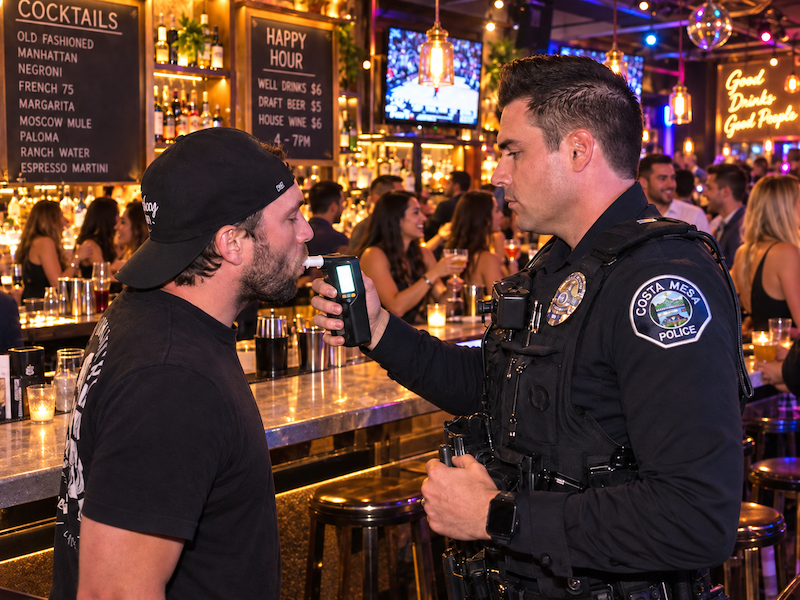
Attorney Warns Bar Drinkers About New Breathalyzer Program
A new program that allows Costa Mesa law enforcement to test the blood alcohol levels (BAC) of consumers inside local bars raises red flags for local Orange County criminal defense attorney Jessica Ball.
City officials frame the California Highway Patrol-funded “Know Your Limit” initiative as being an educational tool that’s designed to deter residents from driving under the influence (DUI).
However, Ball, a Partner at Chambers & Ball based in Santa Ana, is concerned that voluntary breathalyzer testing could lead bar patrons to be hit with surprise criminal charges.
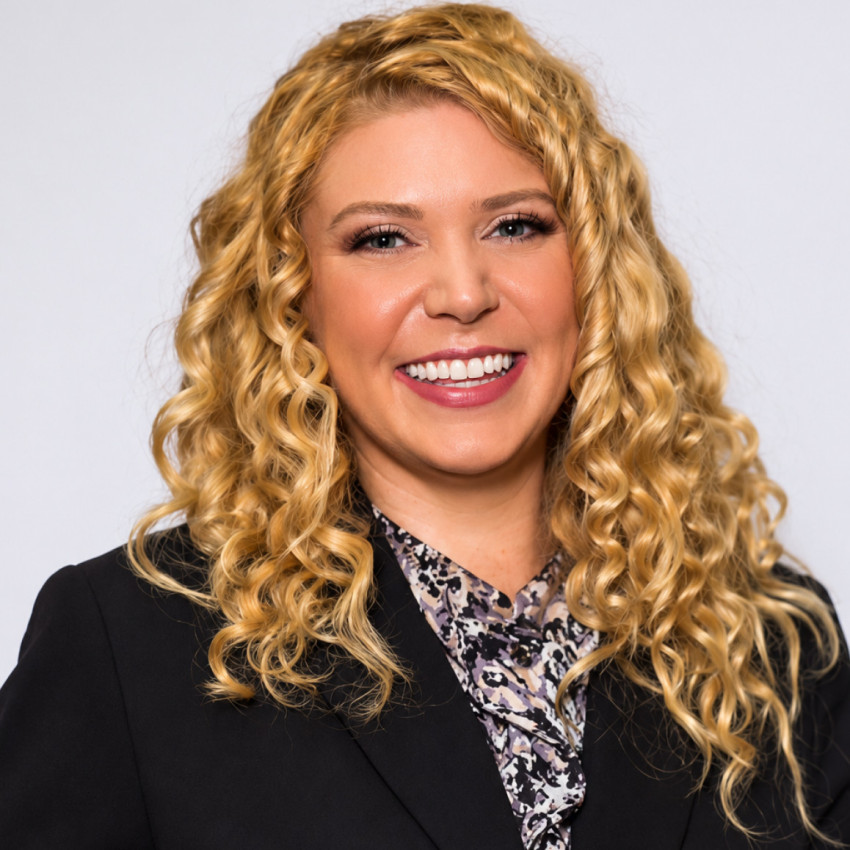
Attorney Jessica Ball at Chambers & Ball
“If you come back at any level in a breathalyzer, they can pull you over, because it doesn’t have to be .08 or higher,” she said. “They can get you on DUI under .08 as long as they can show that there was some type of impaired driving.”
Bar Owners in Costa Mesa Must Opt In
Under the “Know Your Limit” program, bar owners opt in and are paid for allowing law enforcement officers to enter their premises to offer free breathalyzer testing.
When and if they do appear, Ball foresees that uniformed officers will usher in an authoritarian overcast that creates uncertainty and tension for drinkers.
“A lot of them are going to have fun with the officers,” Ball told OrangeCountyLawyers.com. “A lot of them are going to chat up the officers then get in their car and drive away. Maybe, those officers don’t pull you over but the risk is too big for an individual to take.”
The primary state DUI law is California Vehicle Code 23152, which makes it illegal to drive a motor vehicle while physical or mental abilities are impaired. More importantly, a prosecutor does not need a chemical test or BAC number to prove it.
Instead, DUI charges can rely on officer observations, driving patterns, slurred speech, or a field sobriety test performance.
“A lot of times our cases are based on the demeanor of people,” Ball said in a telephone interview. “We’ve had people leave bars, and even if they’re under 0.08, if they’re being loud or their behavior’s a little weird, that’s enough for an officer to suspect them of DUI.”
Related Media:
The educational “Know Your Limit’ program comes at a time when DUI cases are increasingly featured in the news.
Most recently, on August 8, Caleb Thomas Baeza, 18, of Mission Viejo, was arrested and booked on suspicion of DUI after a traffic collision with a pedestrian named Duo Ying Liang, 60, of Mission Viejo who subsequently died on August 9, according to an Orange County Sheriff’s Department statement online.
Over 10% of Fatal Accidents in Costa Mesa Involve Alcohol
Further, Office of Traffic Safety (OTS) data determined that out of 685 fatal collisions in Costa Mesa, 84 involved alcohol, 89 involved bicyclists, and 115 were speed-related. That’s compared to Orange County, where overall there were 17,809 fatal collisions of which 1,771 involved alcohol, 1,116 involved bicyclists, and 4,062 were speed-related.
“I don’t think this program is the right way to go, but it does show that drinking and driving has increased,” Ball added.
The consequences of being charged with a DUI have broadened in recent years.
For example, beyond a 3-year probationary period, California’s Department of Motor Vehicles (DMV) began mandating a one-year Ignition Interlock Device (IID) installation for first-time offenders at the start of 2026.
Dashboard breathalyzers require drivers to test randomly while operating their vehicle, which can create hazardous situations if a car stalls on the freeway before a driver has the chance to blow into the DMV-mandated IID.
“Even if you’re not looking at jail, the three-year probationary period is a substantial amount of time for most people,” Ball said.
She advises that if police enter a bar to conduct “Know Your Limit” voluntary testing,
- Do not start your car’s engine for any reason whether it’s to sleep, smoke a cigarette, wait for a sober ride, open a window or charge a cellphone;
- Instead, leave the vehicle parked overnight and take an Uber or Lyft home regardless of how much alcohol was consumed;
- Consider leaving the venue to avoid unnecessary scrutiny or demeanor-based observation by witnesses and authorities.
Photo Credit: Headshot provided by attorney Jessica Ball, Header photo created with ChatGPT.

Juliette Fairley
Juliette Fairley covers legal topics for various publications including the Southern California Record, the Epoch Times and Pacer Monitor-News. Prior to discovering she had an ease and facility for law, Juliette lived in Orange County and Los Angeles where she pursued acting in television and film.
Join our private
Facebook Group and
ask
local lawyers
a question

Join Our Newsletter
Stay up to date with our latest news and updates.
Join our private Facebook Group and
ask local lawyers a question


Contact Details
ADVERTISING INQUIRIES ONLY 12900 Garden Grove Blvd #132, Garden Grove, CA 92843
(949) 518-0204

Disclaimer: This website is attorney advertising. The information provided on OrangeCountylawyers.com is not legal advice and OrangeCountylawyers.com is not a law firm or a lawyer referral service. No attorney-client or confidential relationship is formed by use of the site and form submissions made to attorney profiles are not confidential. The attorney listings on OrangeCountylawyers.com are paid and/or free attorney advertisements and do not in any way constitute a referral or endorsement by OrangeCountyLawyers.com, parent or affiliate companies, or any approved or authorized lawyer referral service. Your access of/to and use of this site is subject to additional Terms & Conditions. None of the content on this website constitutes a guarantee, warranty or prediction regarding the outcome of any legal matter.
Copyright © 2026 OrangeCountyLawyers.com