Trial Set for OC Financier in $100M Fraud Case
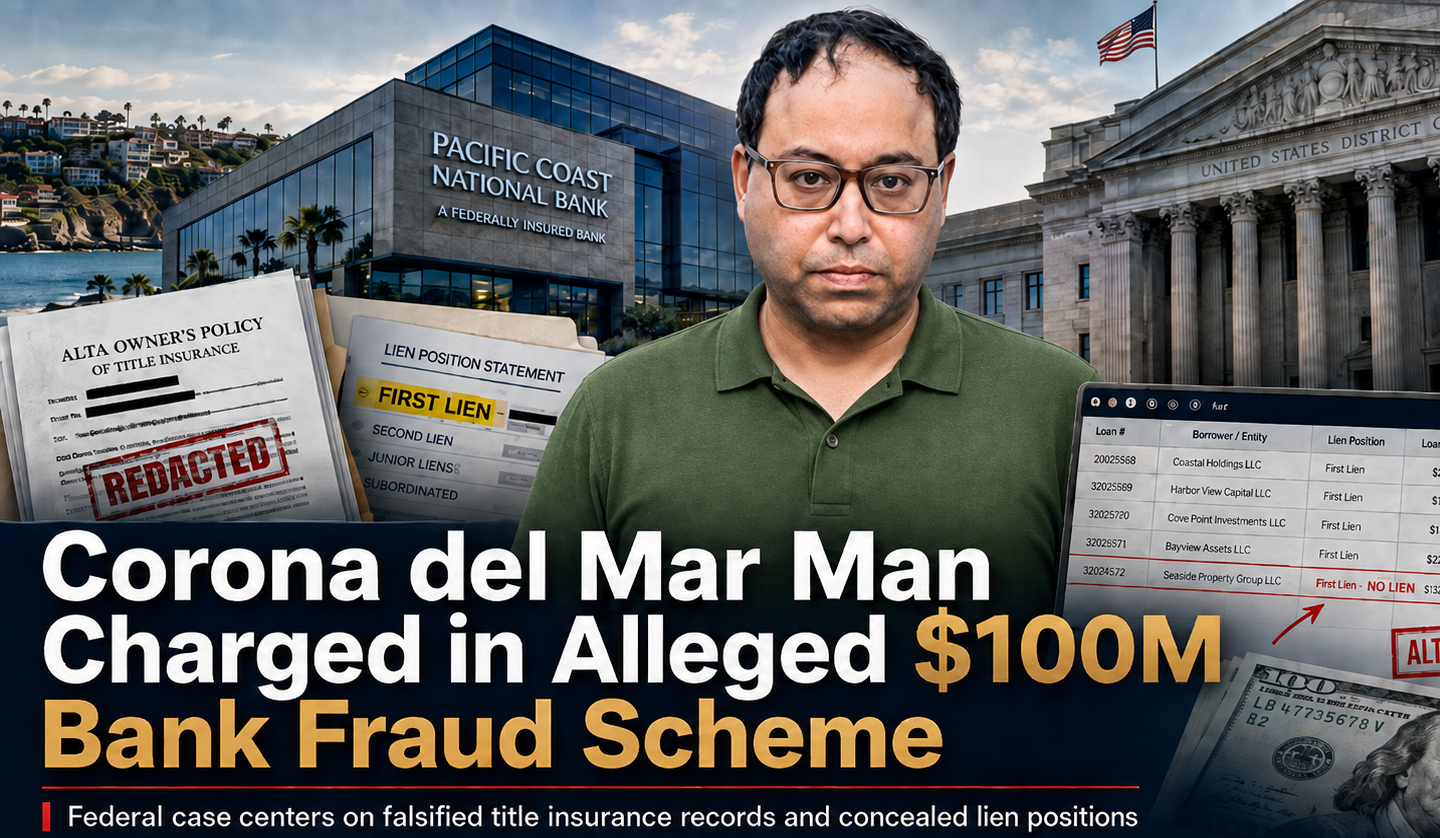
Trial Set for OC Financier in $100M Fraud Case
A 44-year-old Orange County man pleaded not guilty last week to alleged activity that prosecutors say was a threat to the nation’s banking system. Mahender Makhijani of Corona del Mar was taken into custody following a federal investigation.
The Indian-American green card holder is accused of falsifying title insurance records, concealing true lien positions, and using a network of shell companies to mislead a federally insured bank out of millions of dollars.
“Our special agents followed the money through layered transfers and disguised accounts, uncovering a scheme designed to deceive at every turn,” IRS Criminal Investigation’s Los Angeles field office acting special agent Darren Lian said in a statement.
Makhijani allegedly wove the scheme into legal business operations without hiding behind fictitious names or offshore accounts.
In the process, he purportedly defrauded the Federal Home Loan Bank System and its members.
“Makhijani’s entire plan was based upon one simple fact: no one was going to verify what he had done,” corporate fraud analyst Justin Weinstein told OrangeCountyLawyers.com. “He abused the trust that has been established through institutions because he properly understood the process by which verification could fail.”
A trial is set for Aug. 11 2026 where U.S. District Judge David O. Carter will preside.
What surprises former federal prosecutor Stephen Cazares at Foundation Law Group is how easy it was for Makhijani to avoid detection.
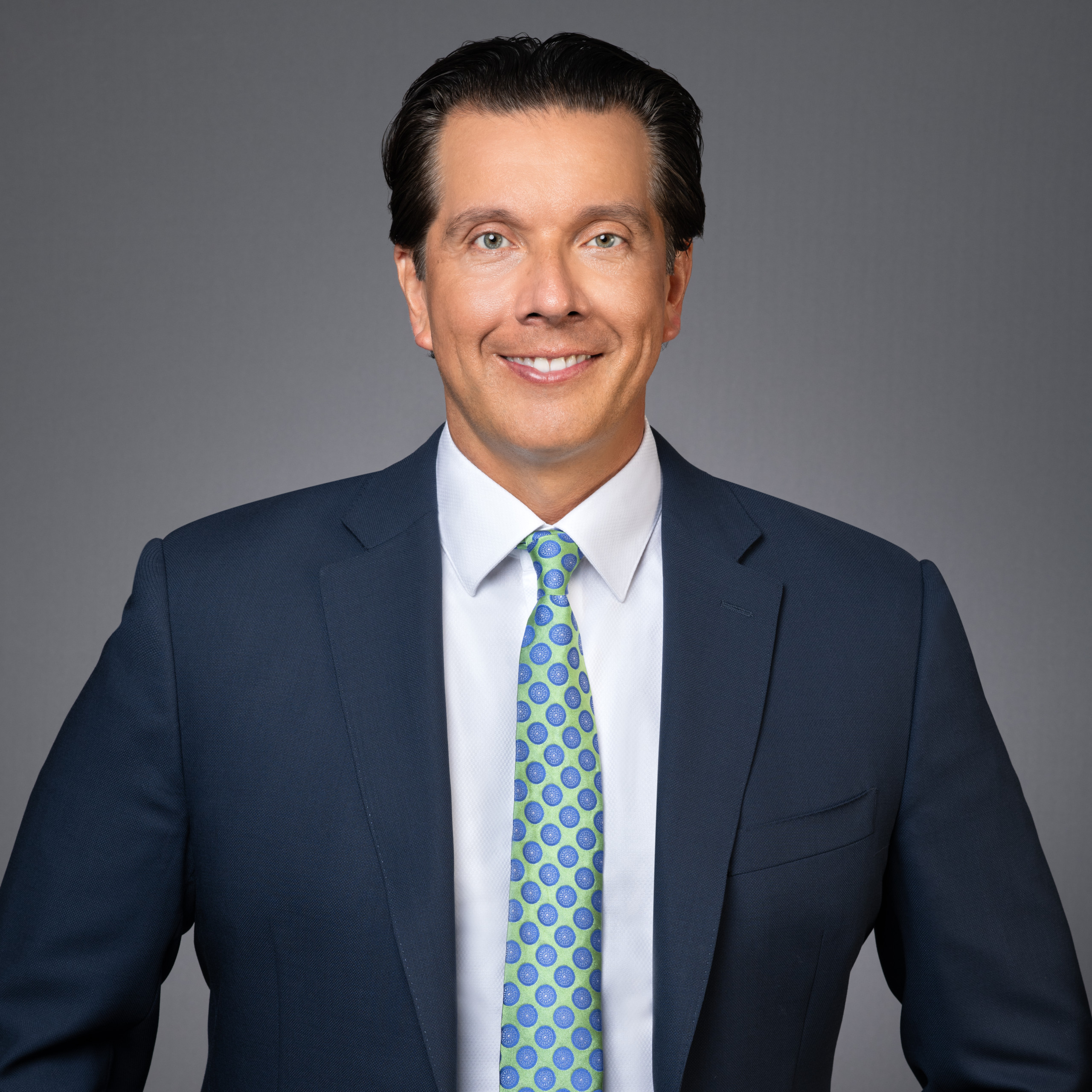
Former Federal Prosecutor Stephen Cazares
“Makhijani apparently had some assistance from an employee who was not charged,” Cazares told OrangeCountyLawyers.com. “If the employee did not profit from the fraud, they are probably more useful as a witness to the government and less culpable that Makhijani.”
Cazares previously served as an Assistant United States Attorney for the United States Attorney’s Office for the Central District of California.
In the federal case against Makhijani, an affidavit filed with the complaint states that an unnamed bank advanced nearly $100 million to Cantor Group V LLC, a Newport Beach company that Makhijani controlled.
The Department of Justice (DOJ) said the purpose was to originate or buy loans secured by real estate and Cantor was supposed to pay back the bank from the loans’ proceeds.
“The only way the title carriers and lenders would be culpable is if they KNEW they were validating title and lending funds based on false documents which is highly unlikely,” Cazares said.
In addition to the DOJ criminal case, in August 2025, Western Alliance Bank filed a civil lawsuit in Los Angeles Superior Court against Cantor Group V and Mahender Makhijani alleging borrower fraud. (Case No. 25STCV24263)
In that complaint, Western Alliance Bank alleged that Makhijani’s group owed them roughly $99 million.
Makhijani Allegedly Falsified Title Insurance Policies
While the bank did require Cantor to submit title insurance policies that showed Cantor’s first lien position, the DOJ says Makhijani falsified title insurance policies to make them improperly state that Cantor was in the first lien position when other creditors were ahead of Cantor.
“There are many reasons why the county may not have picked this up or do their job,” sentence mitigation specialist Steve Russo told OrangeCountyLawyers.com. “I have seen auditors even at the big three firms missing things time and time again. It’s really not hard to miss them. The government calls these types of frauds sophisticated, but in actuality it’s not really that sophisticated to pull off.”
Russo consults with defense attorneys and defendants in similar Orange County cases.
Related Content:
Title Policies Allegedly Edited Using Adobe Photoshop
The title policies were reportedly edited in Adobe and in December 2024, a spreadsheet with false explanations for the title issues was submitted to the bank.
Cazares suspects a personality disorder may be at the root of Makhijani’s actions.
“Fraudsters tend to lean toward narcissism and believe they are the smartest person in the room,” he said. “For that reason, they tend to believe they won’t get caught.”
If convicted, Makhijani faces a statutory maximum sentence of 30 years in federal prison. The United States Sentencing Guidelines would likely start in the range of 10 years for an economic crime approaching $100 million, according to Cazares.
“Other factors specific to the crime or defendant may make that potential sentencing shorter or longer,” he added.
Photo Credit: Header image created with ChatGPT

Juliette Fairley
Juliette Fairley covers legal topics for various publications including the Southern California Record, the Epoch Times and Pacer Monitor-News. Prior to discovering she had an ease and facility for law, Juliette lived in Orange County and Los Angeles where she pursued acting in television and film.
Join our private
Facebook Group and
ask
local lawyers
a question

Join Our Newsletter
Stay up to date with our latest news and updates.
Join our private Facebook Group and
ask local lawyers a question


Contact Details
ADVERTISING INQUIRIES ONLY 12900 Garden Grove Blvd #132, Garden Grove, CA 92843
(949) 518-0204

Disclaimer: This website is attorney advertising. The information provided on OrangeCountylawyers.com is not legal advice and OrangeCountylawyers.com is not a law firm or a lawyer referral service. No attorney-client or confidential relationship is formed by use of the site and form submissions made to attorney profiles are not confidential. The attorney listings on OrangeCountylawyers.com are paid and/or free attorney advertisements and do not in any way constitute a referral or endorsement by OrangeCountyLawyers.com, parent or affiliate companies, or any approved or authorized lawyer referral service. Your access of/to and use of this site is subject to additional Terms & Conditions. None of the content on this website constitutes a guarantee, warranty or prediction regarding the outcome of any legal matter.
Copyright © 2026 OrangeCountyLawyers.com